


A tourist visa is often the single document that decides whether your international holiday happens on time. Some countries welcome Indian travellers visa-free, others offer a simple e-visa, and some need a detailed embassy application with biometrics and interviews. Knowing which route applies, and preparing the right documents, saves weeks of stress.
This guide explains everything Indian travellers should know about a tourist visa for Indians: the visa types, which destinations are visa-free or offer visa on arrival, the documents you need, the step-by-step application process, common rejection reasons and how professional visa consultancy can help.
- Check the official entry rules for your exact passport and purpose of travel.
- Apply early: processing times vary widely between countries and seasons.
- Consistent, genuine documents matter more than the number of documents.
- Visa decisions are made only by the embassy or immigration authority.
1. What Is an International Tourist Visa?
A tourist visa is official permission from a foreign government that allows you to enter its country for leisure, sightseeing or visiting friends and family, for a limited period. It does not allow you to work or study.
Each country sets its own rules on who needs a visa, how to apply, how long you can stay and what documents are required. These rules can change, so always check the latest information on the official embassy, consulate or immigration website.
2. Different Types of Tourist Visas
Tourist visas may also be single-entry (one visit) or multiple-entry (several visits within the validity period). The validity of the visa and the permitted length of each stay are different things, so read both carefully.
3. Visa-Free and Visa-on-Arrival Destinations for Indians
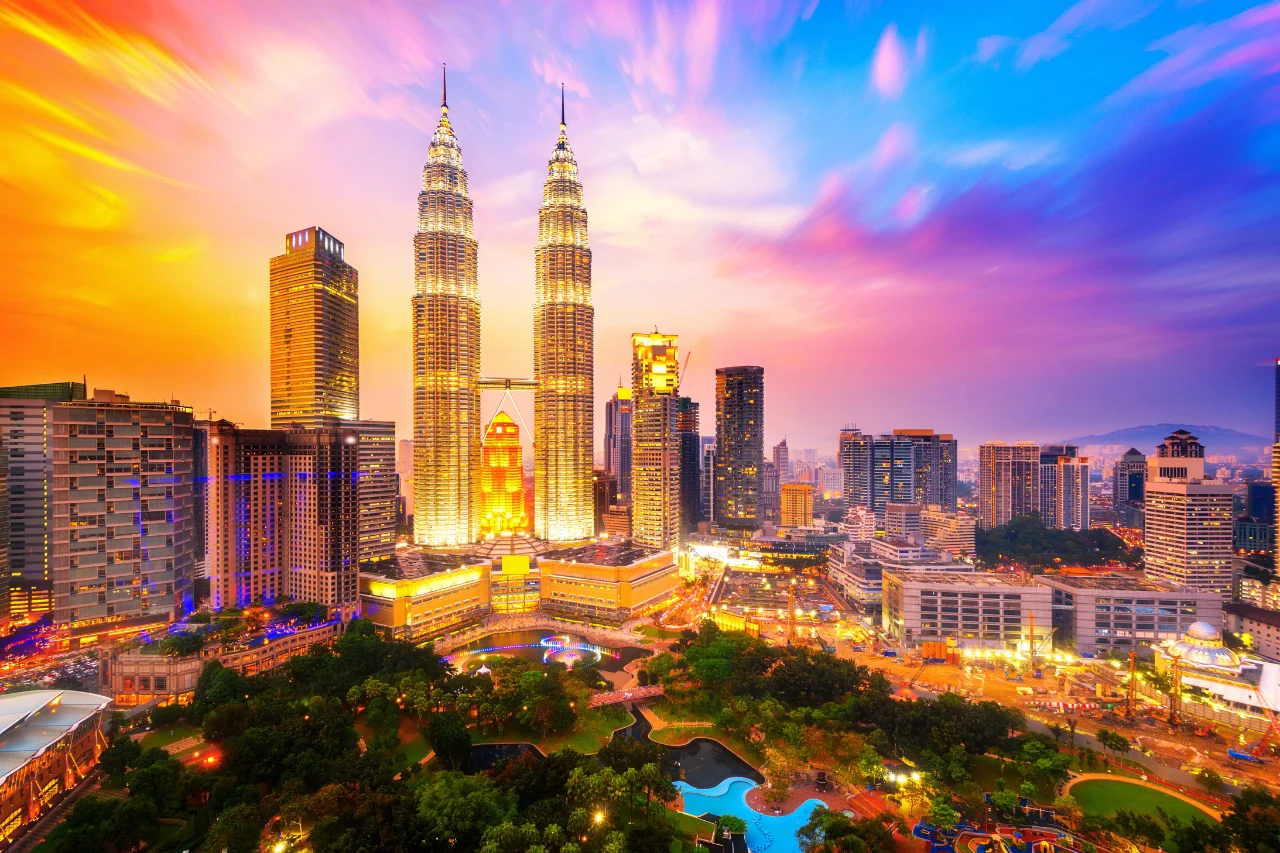
Several popular holiday destinations offer easy entry for Indian ordinary passport holders. The position as of late 2026 for some of the most-requested countries is:
| Destination | Entry for Indian tourists | Good to know |
|---|---|---|
| Thailand | Visa-free, up to 30 days | The 30-day exemption applies from 15 September 2026. |
| Malaysia | Visa-free, up to 30 days | Announced until 31 December 2026; complete the Digital Arrival Card (MDAC) before travel. |
| Sri Lanka | Free online ETA, 30 days | The ETA is free but must be approved before you fly. |
| Bhutan | No visa; entry permit | Passport or voter ID; a Sustainable Development Fee of ₹1,200 per adult per night applies. |
| Nepal | No visa required | Carry a valid passport or voter ID. |
| Maldives | Visa on arrival | Confirmed resort booking and return ticket required. |
| Bali, Indonesia | Visa on arrival or e-VOA | A separate Bali tourist levy and an online arrival card also apply. |
4. Countries Requiring Advance Tourist Visa Applications
Many destinations need a visa arranged before departure. These include popular choices such as:
Destinations such as Japan, South Korea and Turkey also require advance visas or electronic authorisations, depending on your travel history.
5. Essential Documents Required for Visa Applications
Requirements differ by country, but most tourist visa applications ask for a similar core set of documents. Tick each one off as you gather it; your progress is saved on this device.
- Original passport with enough validity and blank pages.
- Completed and signed visa application form.
- Recent photographs to the exact specification.
- Flight itinerary or reservation.
- Hotel bookings or invitation letter.
- Bank statements for the required period.
- Income tax returns, where requested.
- Employment letter, leave approval or business proof.
- Travel insurance meeting the country’s rules.
- Cover letter explaining the purpose of the trip.
6. Step-by-Step Visa Application Process
- Confirm the visa typeCheck the official website for your passport and purpose.
- Plan your datesNote processing times and apply well in advance.
- Prepare documentsCollect, scan and organise everything in the requested format.
- Fill in the applicationOnline or on paper; details must match your passport exactly.
- Pay the fee and book an appointmentWhere biometrics or an interview is required.
- Submit and give biometricsAt the embassy or the authorised visa application centre.
- Track and collectCheck the status and verify every detail on the visa once issued.
7. Financial Documents and Bank Statement Requirements
Embassies want to see that you can comfortably pay for your trip and that you have strong reasons to return home. Bank statements are usually requested for the last three to six months.
- Show a stable, consistent balance rather than a sudden large deposit.
- Use statements stamped or verified by the bank where required.
- Explain any large or unusual transactions in your cover letter.
- Include ITRs, salary slips or business proof to support your income.
8. Visa Interview and Biometric Procedures
Many countries, including Schengen states, the UK and the USA, collect fingerprints and a photograph at the visa application centre or embassy. Some, such as the USA, also require an in-person interview.
- Arrive early with original documents and copies.
- Answer questions honestly, clearly and briefly.
- Know your itinerary, hotels and travel dates.
- Be ready to explain your job and ties to India.
9. Common Reasons for Visa Rejection
10. Tips to Improve Your Visa Application
- Apply early, especially before peak seasons.
- Follow the photo specifications exactly.
- Keep your documents consistent with each other.
- Write a clear, honest cover letter.
- Book refundable hotels where allowed.
- Keep copies of everything you submit.
Once your visa is approved, use our international travel checklist to prepare everything else.
11. Why Professional Visa Consultancy Helps

A professional visa consultant understands each country’s requirements, keeps up with rule changes and checks your file for gaps before submission. This reduces avoidable errors, saves time and gives you confidence, especially for complex visas such as Schengen, UK or USA.
12. How Pentaleaf International Can Help
Frequently Asked Questions
Which countries can Indians visit without a visa?
How long does a tourist visa take to process?
How much bank balance do I need for a tourist visa?
Do I need confirmed flight tickets to apply for a visa?
Is travel insurance required for a tourist visa?
Can a visa be rejected even with all documents?
Can I reapply after a visa rejection?
What is the difference between visa validity and duration of stay?
Do children need a separate visa?
Can Pentaleaf International guarantee my visa?
Visa rules, fees and entry requirements change frequently. The information here is general guidance as of the date of publication. Always confirm the latest requirements with the official embassy, consulate or immigration authority before applying or travelling.